When it comes to enhancing the exterior or interior of your home, choosing the right finishing product is crucial. Among the most common options are solid stains and paint. Both provide vibrant color and protection, but they differ significantly in application, appearance, durability, and maintenance requirements. Understanding these differences can help you make an informed decision that best suits your aesthetic preferences, budget, and lifestyle.
In this blog, we’ll compare solid stain and paint across various factors to determine which is better for your home.
What Is Solid Stain?
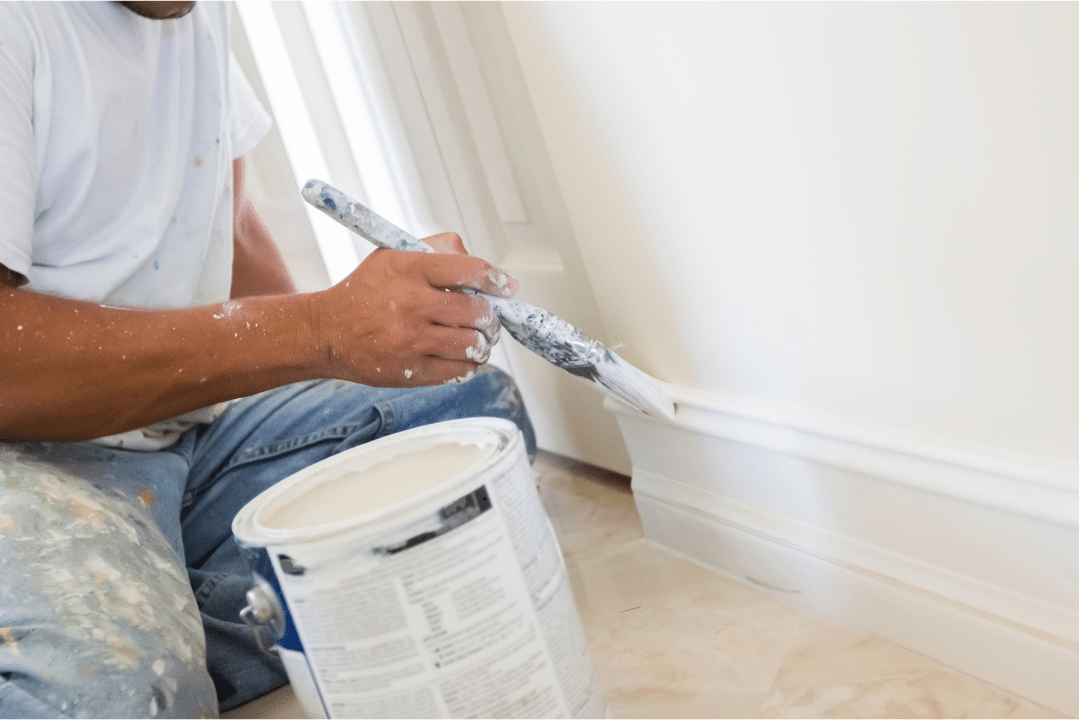
Solid stain is a type of protective coating primarily used on wood surfaces such as decks, fences, siding, and outdoor furniture. It penetrates the wood surface and forms a barrier that seals the wood, providing color and protection. Unlike transparent or semi-transparent stains, solid stain offers opaque coverage, hiding the natural wood grain.
Key features of solid stain:
- Provides a uniform, opaque finish
- Penetrates and bonds with the wood surface
- Designed to protect against UV rays, moisture, and mildew
- Usually requires less frequent reapplication than paint
Solid stain is popular for outdoor wood surfaces because of its ability to hide imperfections and give a consistent look.
What Is Paint?
Paint is a versatile coating used on a wide range of surfaces, including walls, ceilings, trim, and exteriors. Paint forms a film on the surface, providing a smooth, opaque finish that can be matte, satin, semi-gloss, or gloss. It’s available in countless colors and formulations, including latex (water-based) and oil-based options.
Key features of paint:
- Provides a smooth, uniform finish
- Available in a variety of sheens
- Suitable for interior and exterior surfaces
- Offers excellent color versatility and decorative options
Paint is often chosen for interior walls and ceilings but is also extensively used on exterior surfaces like siding and trim.
Comparing Solid Stain and Paint: The Main Factors
1. Appearance
- Solid Stain: Offers a matte, flat finish with excellent opacity. It hides natural wood grain and imperfections, giving a consistent look. The surface tends to be more subdued and less glossy.
- Paint: Provides a smooth, often glossy or semi-gloss finish that enhances color brightness and vibrancy. It can be applied with various sheens to match your aesthetic.
2. Durability and Weather Resistance
- Solid Stain: Designed specifically for outdoor wood surfaces, it provides excellent protection against UV rays, moisture, mildew, and insects. It penetrates the wood, which helps it withstand temperature fluctuations and moisture cycles. It typically lasts 3-5 years before needing reapplication.
- Paint: Exterior paints, especially high-quality ones, also offer UV and moisture resistance. However, they form a film on the surface rather than penetrating the wood. This can make them more susceptible to peeling or cracking over time, especially in harsh weather. Exterior paints generally last 5-10 years, but maintenance may be more frequent depending on conditions.
3. Application Process
- Solid Stain: Usually easier to apply to wood surfaces. It’s forgiving when it comes to surface prep and can be brushed, rolled, or sprayed. It penetrates the wood, so adhesion is generally good.
- Paint: Requires thorough surface preparation, including cleaning, sanding, and priming. It forms a film on the surface, so proper adhesion and surface smoothness are critical to prevent peeling.
4. Maintenance and Reapplication
- Solid Stain: Generally requires reapplication every 3-5 years, depending on weather exposure and wear.
- Paint: Usually needs re-painting every 5-10 years for exterior surfaces. Interior paint may last longer but can color fade or peel over time.
5. Breathability and Moisture Management
- Solid Stain: Penetrates the wood, allowing the surface to breathe and release moisture. This reduces the risk of peeling or blistering caused by trapped moisture.
- Paint: Creates a film barrier that can trap moisture if applied improperly or if the surface isn’t properly prepared, leading to peeling, blistering, or wood rot in exterior applications.
6. Cost
- Solid Stain: Typically less expensive per gallon than high-quality exterior paint. Its longer reapplication cycle can also save money over time.
- Paint: While the initial cost might be higher, its longer lifespan can justify the expense, especially if durability and appearance are priorities.
Which Is Better for Your Home?
The choice between solid stain and paint largely depends on the specific application, your aesthetic preferences, and maintenance willingness. Here’s a quick guide:
| Use Case | Recommended Option | Why |
|---|---|---|
| Exterior wood surfaces (siding, decks, fences) | Solid Stain | Penetrates wood, provides good UV protection, hides imperfections, and is easier to maintain. |
| Interior walls and ceilings | Paint | Offers a smooth, decorative finish with a wide range of colors and sheens. |
| Exterior surfaces (siding, trim) | High-quality exterior paint | Provides durable, long-lasting coverage, especially on non-wood surfaces like stucco or brick. |
| Restoring a weathered wood deck or fence | Solid stain | Helps refresh the look without extensive prep, offers good protection. |
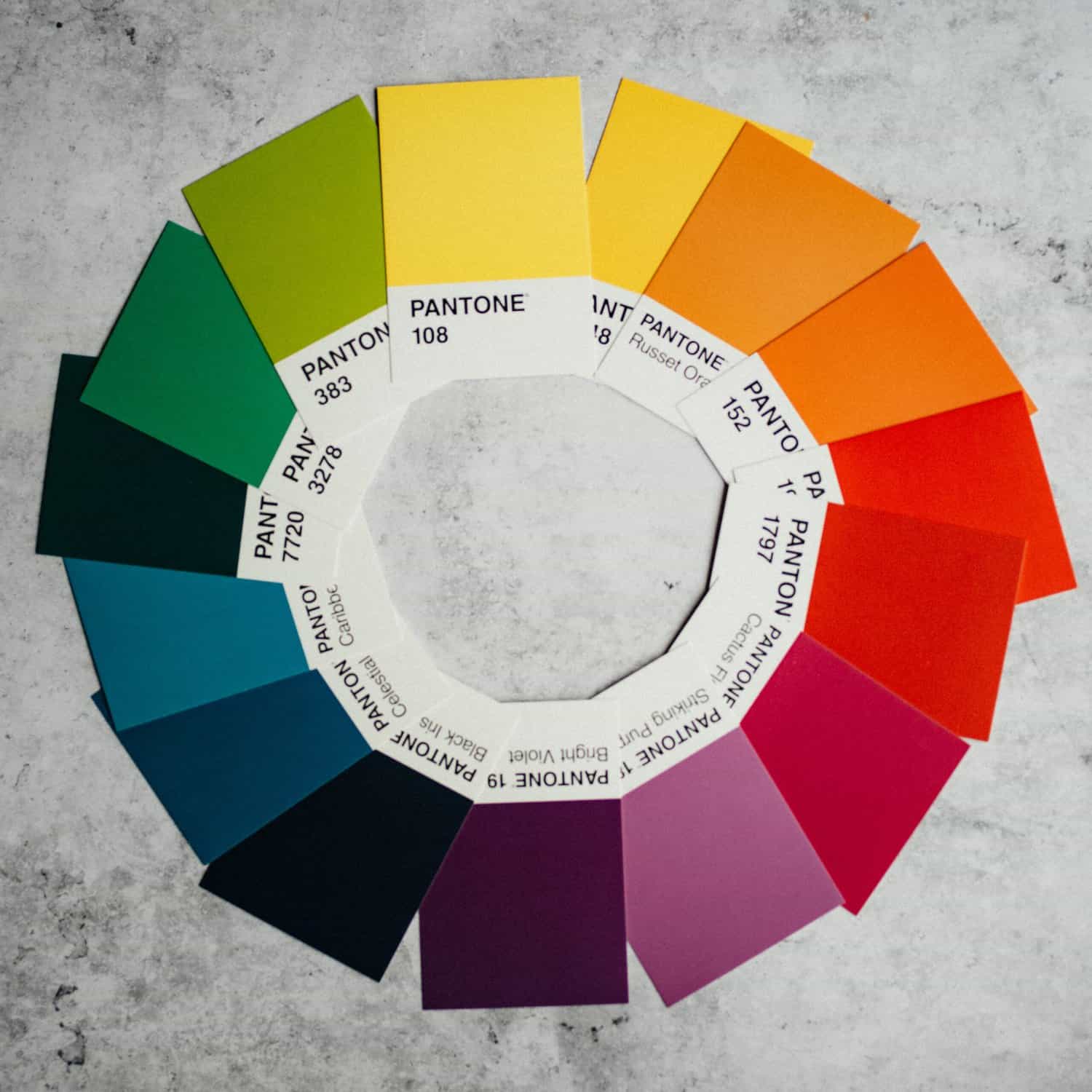
Pair these with metallic accents like gold or brass to elevate the look. Moody colors are ideal for bedrooms, media rooms, or dining areas where a luxurious, enveloping atmosphere is desired.
Final Thoughts
For outdoor wood surfaces, solid stain often wins because of its ability to penetrate the wood, resist weathering, and hide imperfections. It’s easier to apply, reapply, and maintain over time, making it a practical choice for fences, decks, and siding.
For interior walls and decorative surfaces, paint is generally superior thanks to its versatility in color, sheen, and finish options. It provides a sleek, polished look that can transform a space.
Budget and maintenance considerations also play a role. While paint may have a higher upfront cost, its longer lifespan and decorative appeal can make it more cost-effective in the long run. Conversely, solid stain’s affordability and ease of reapplication make it ideal for outdoor wood surfaces that are exposed to the elements.

If you’re in Jackson, NJ, and want to save time or need help with a larger project, ProEdge Painting can handle all your interior house painting needs. They’ll make sure the trim painting process goes smoothly and that you get the look you want, without the hassle.
Wrapping Up
Ready to update your home with the latest color trends? Consult with our professional painters who can help you bring your vision to life. With the right palette, your home in 2025 will be a perfect reflection of style, comfort, and sustainability.
Call ProEdge Painting today at 732-402-0036 for a FREE estimate.
