
You finally closed on the house. Paint color pairing was supposed to be the fun part. You picked the first color, painted a wall, and the place started to feel like yours. Then came the part nobody warned you about. Many new homeowners stare at swatch after swatch, wondering how to pick a second paint color that won’t fight the one they already chose. This post breaks down what causes that stuck feeling, and what to do next.
Key Takeaways

Why the Second Color Feels Harder Than the First
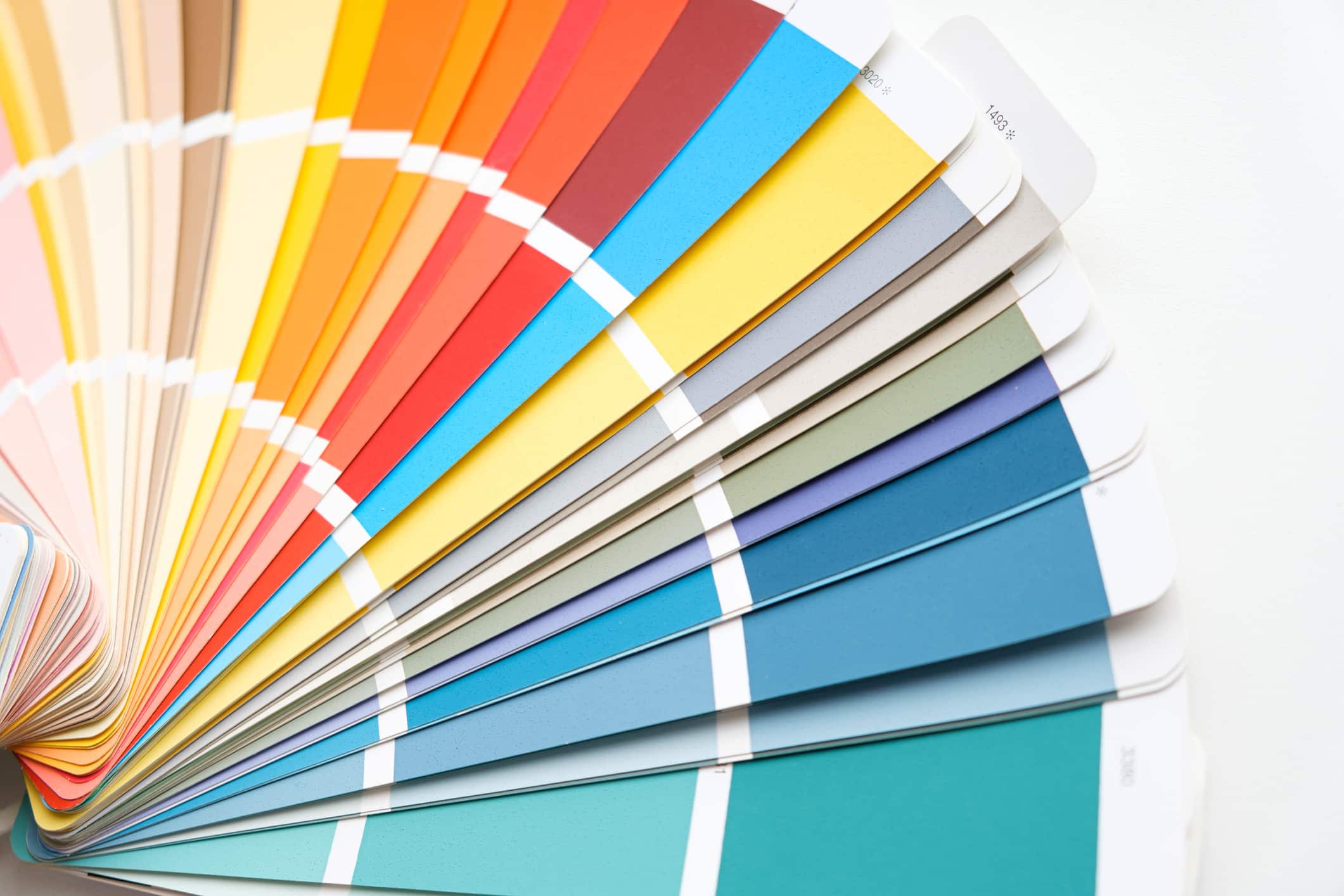
The first paint color comes from a feeling. You walk into a room, picture your couch, and pick a color you can already see yourself living with. The second color is different. It has to work with the first. It also has to work with the floor, the trim, the ceiling, and the room next door. Decision paralysis kicks in fast. You pull a dozen swatches, tape them to the wall, and three days later, you’re more confused than when you started. The reason is simple. Each new option introduces three new questions. After enough questions, picking nothing feels safer than picking wrong.
A Simple Framework for Paint Color Pairing
Designers often follow the 60-30-10 rule. The dominant color (your first pick) covers about 60% of the room, usually the walls. The second color covers 30%, often the trim, cabinets, or a feature wall. The accent color covers the last 10%, in pieces such as a door, a built-in, or a single piece of furniture.
Apply that to how to pick a second paint color:
A skilled interior painter follows the same logic before opening a single can.
Try It With Your Own Color
Before you tape swatches to your wall, try the color tool below. Pick the room you’re painting, choose your first color (or paste the hex code from a fabric you love), and see four pairings built on the principles above. The tool will not replace seeing a color on your actual wall. It gives you a starting point that already accounts for undertones and balance.
Free Color Tool
Build a Palette Around Your Color
Which room are you painting?
What Goes Wrong Without a Second Look
Some new homeowners pick a second color that looks right at the store, then realize the trim reads pink against the wall. Others pick a color from a perfect online image, only to find it looks flat in their north-facing kitchen. The most common mistake in interior house painting is choosing the second color without seeing both colors together, in the actual room, in the actual light. The result is often a repaint within six months. That’s hours of work and a second round of paint cost that could have been avoided. Quality interior house painting depends on getting the color right the first time.
How a Local Interior Painter Helps
A skilled interior painter does something the swatch and the app cannot. They walk the actual room with you, study your floors and your light, and tell you whether the paint color pairing you have in mind will hold up at 7 a.m. and at 7 p.m.
Local interior house painting experience matters. A painter who works in Toms River homes every week knows how colors behave with coastal light, ranch-style ceilings, and the smaller room layouts common in older Ocean County housing stock. That perspective shortens the decision by days. It also keeps you from buying ten gallons of a color that was never going to work.

