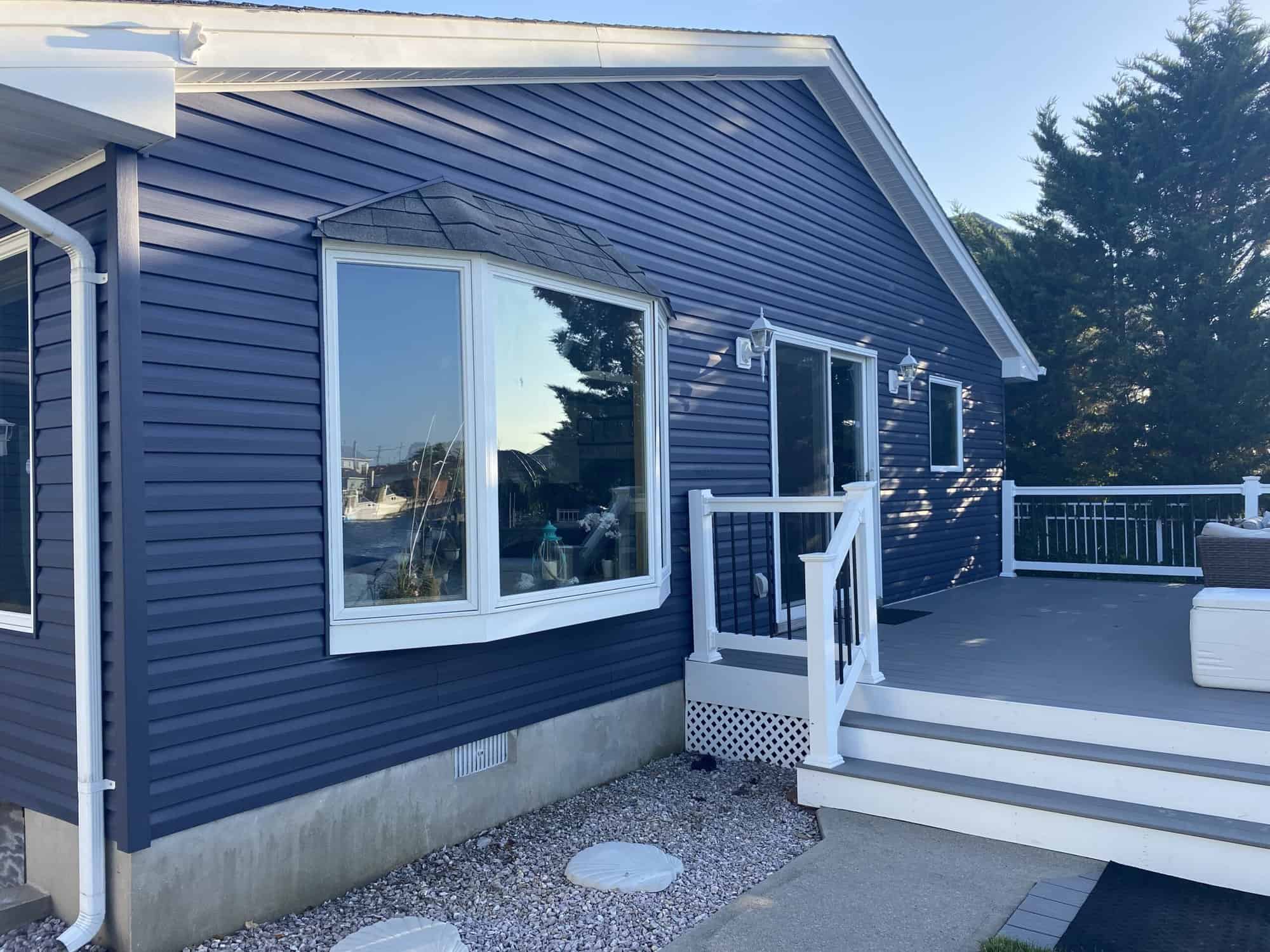
The final invoice is the last checkpoint on any painting project. That’s why I want every homeowner in Brick, NJ, to know the signs of a bad exterior paint job before that check goes out. Problems are far easier to fix while the crew and ladders are still at your house. In this post, I’ll show you how to spot a bad paint job from your own driveway, what’s fair to flag, and how exterior house painting should look when it’s done right.
Key Takeaways

Why the Last Payment Matters So Much
Brick is a town of homeowners. About 82% of homes in Brick Township are owner-occupied, according to the U.S. Census Bureau. The median home value there is $372,900. For a lot of families, the house is the biggest thing they own.
Exterior paint is the shell that protects that house. It keeps sun, rain, and shore humidity off your siding and trim. So when a project wraps up, you want to know it was done the right way.
The outside problem is easy to name: uneven paint, missed spots, or sloppy edges. The inside problem is harder. You may not be sure what “normal” looks like. You may not want to seem picky. And nobody wants to pay full price for work that needs redoing in two years.
Here’s how I see it. You should get exactly what your contract says you paid for. No more, no less.
What a Bad Paint Job Looks Like From Your Driveway
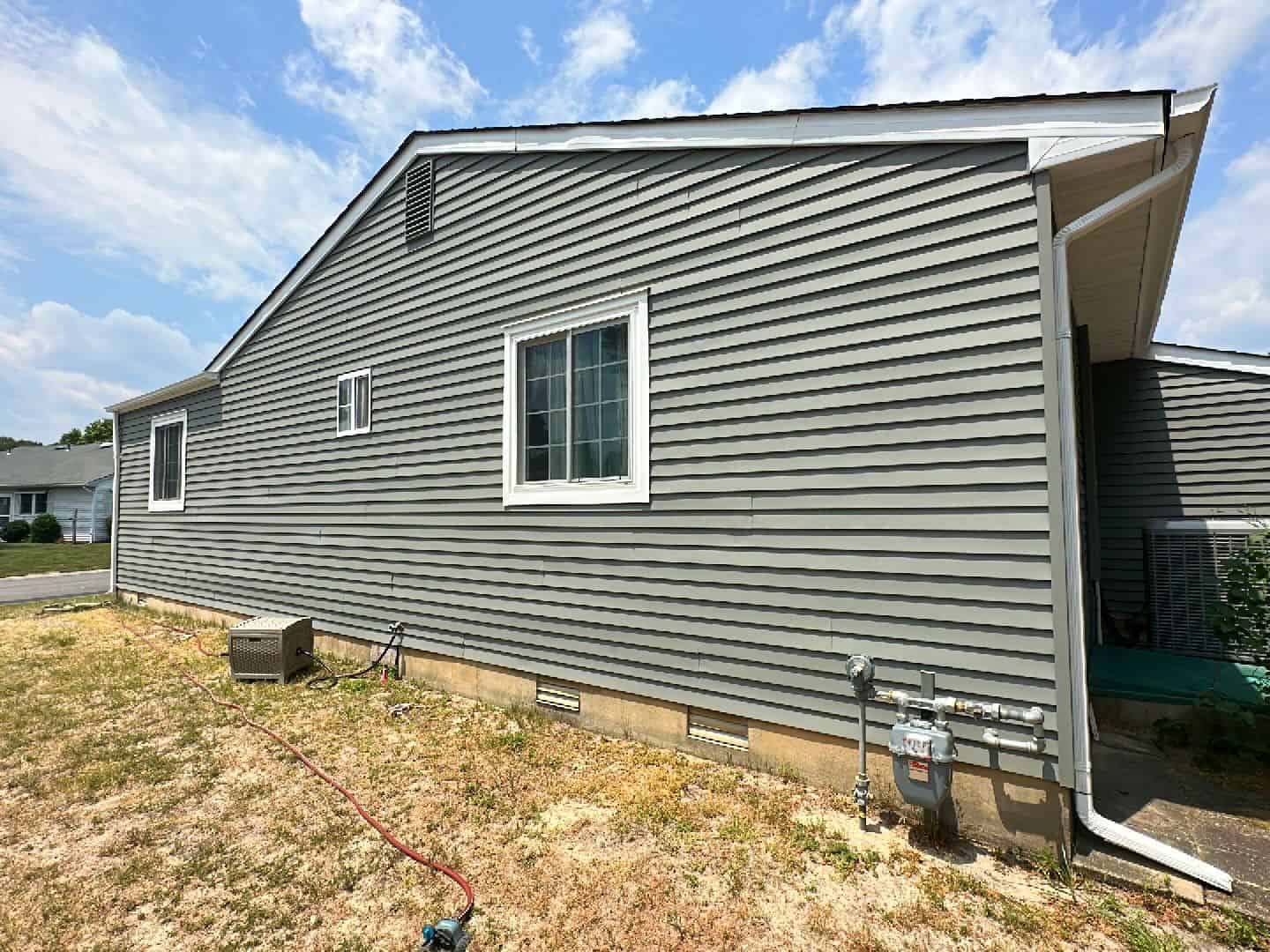
Most problems are visible without a ladder. Walk around the house in daylight and compare what you see to this table.
| Sign | What You’ll See | Why It Matters |
|---|---|---|
| Lap marks | Darker or shinier stripes where wet paint overlapped paint that had started to dry | Often a sign of rushed work or painting in hot, direct sun |
| Thin coverage | Old color or bare wood showing through, often on trim edges | One coat where the contract may call for two |
| Drips and runs | Hard beads of paint on siding, doors, or trim | Heavy coats that were never brushed out |
| Wavy cut lines | Uneven edges where the trim color meets the siding color | Rushed brush work that’s easy to see from the street |
| Paint where it doesn’t belong | Paint on glass, hardware, gutters, roof shingles, decks, or plants | Weak masking and weak cleanup |
| Rough or bumpy texture | Dirt, chips, or old flaking paint trapped under the new coat | Washing or scraping was skipped, so the paint may not stick |
| Early peeling or blisters | Bubbles or flakes within weeks of the job | Usually moisture or poor prep, so get it checked before you pay |
| Open gaps | Cracks at trim joints, window frames, and corners with no caulk | Water can get behind the paint and lift it |
Not every item on this list is a disaster. One drip is a touch-up. Ten drips is a pattern. Patterns tell you more about the crew than single spots do.
Be Fair: Judge the Paint the Way the Pros Do
There’s a right way and a wrong way to inspect paint. The Painting Contractors Association publishes industry standards for painted surfaces. Under those standards, a finish is judged from 39 inches or more, without magnification, from a normal viewing position.
That means no flashlight held flat against the siding at night. If you have to hunt for a flaw, it probably isn’t one. But if you can see it from where you’d normally stand, it’s fair to ask about.
I’d rather you know this rule than not. It protects you, and it protects honest painters too.
Check the Paperwork Before You Check the Paint
In New Jersey, a home improvement contract over $500 has to be in writing. According to the New Jersey Division of Consumer Affairs, it should list the price, start and end dates, scope of work, and the contractor’s registration number.
Your contract is the standard the work gets measured against. If it says two coats on all trim, one coat isn’t finished. If it lists the shutters, unpainted shutters aren’t a touch-up. They’re work that hasn’t been done yet.
Older homes add one more check. About 35% of homes in Brick were built before 1970, based on Census survey data. Under EPA rules, paid work that disturbs 20 square feet or more of exterior paint on a pre-1978 home must be done by a lead-safe certified firm. If your home is that age, ask to see the certification.
How to Catch a Bad Paint Job Before You Pay: My 4-Step Walkthrough
This plan takes one afternoon and gives you a clear answer. You can use it on any exterior house painting project, including ours.
A good painter won’t push back on this. A clear list is easier for any crew to act on than a vague “it doesn’t look right.”
What Can Go Wrong If You Skip the Walkthrough
Paying first and checking later can cost you. Here’s what tends to happen:
A walkthrough costs you nothing but time. Repainting a failed side of a house costs a lot more.
How We Work With Brick, NJ Homeowners
At ProEdge Painting, we’ve painted homes across Ocean County since 2018. We’d rather show you facts than make promises. Here’s what we put in writing:
| What You Get | The Details |
|---|---|
| Workmanship warranty | 1 year |
| Paint brands | Sherwin-Williams and Benjamin Moore |
| Credentials | Licensed, insured, and OSHA certified |
| Communication | Clear updates every day of the project |
| Cleanup | Complete cleanup after the project |
We serve homeowners in Brick, Toms River, Manchester, Jackson, and Stafford Township. I’d encourage you to use the checklist above on our work too. If you find something, tell us, and we’ll fix it.
What a Finished Job Should Feel Like
You pull into the driveway, and the lines are crisp. The trim color stops right where it should. There are no drips, no thin spots, and no paint on the windows.
You pay the last invoice without a knot in your stomach. You checked the work, and it matches what you signed. Then the paint keeps doing its job through Jersey Shore summers and winters.
That’s the goal of every project. A house you don’t have to think about.